The Carbon Problem
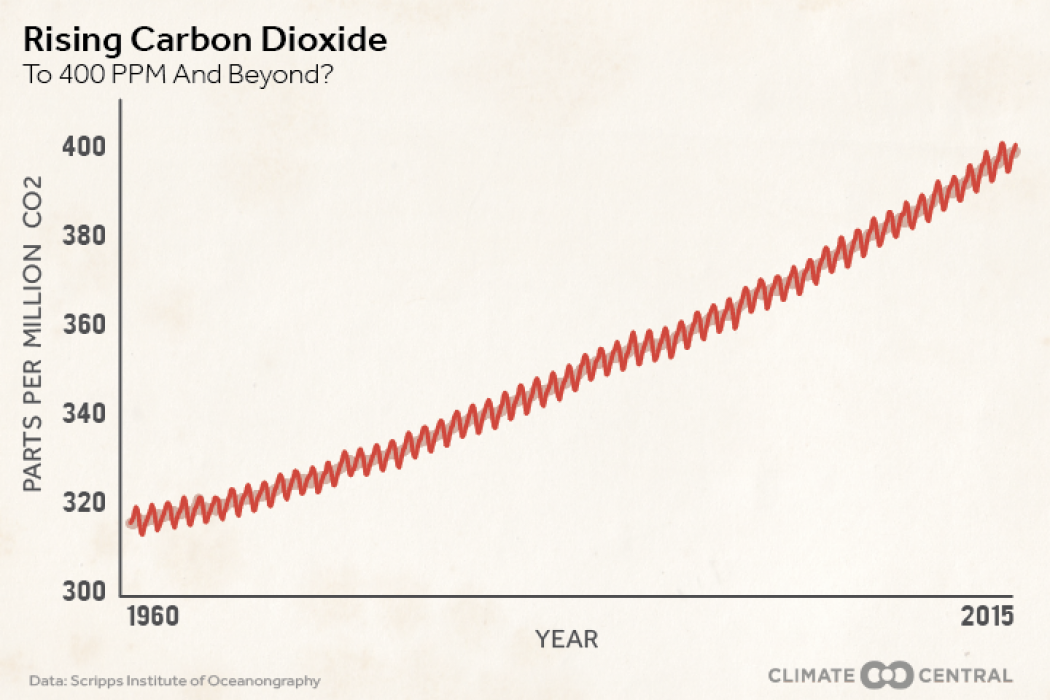
Carbon has a reputation problem. News about climate change is everywhere. Carbon is always the villain. There’s too much CO2 in the atmosphere and it’s causing temperatures to rise. There is a lot more to this story, though. We will be exploring this in future blog posts.
In the meantime, though, suffice it to say that carbon can and must be the hero of this story. But it has to be in the right place--the soil. When it’s in the ground, carbon brings a cascade of benefits to the soil ecosystem, creating resilient landscapes. When it’s missing, systems degrade and become fragile. So how do we get carbon back in the ground?
A Solution
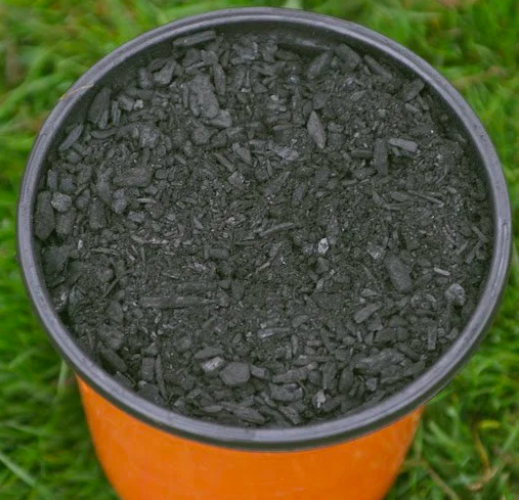
Biochar is charcoal made for the purpose of adding to the soil. Or biological charcoal. It was put on the map by the discovery of the anthropogenic fertile dark soils, or Terra Preta, of the Amazon. Biochar removes carbon from the atmosphere when produced using modern techniques. When applied to the soil, along with robust biology and mineral components, it brings a host of benefits to that soil and the plants growing in it. Plants that are healthy and thriving perform photosynthesis more efficiently, meaning that they’re then more effective at capturing carbon. This creates a virtuous cycle of system health in which carbon is being built underground to rebuild the foundation of ecosystem health. As system health improves, productivity and performance improve.